Rooted in heritage. Powered by innovation.

Building the next generation of sustainable hemp.

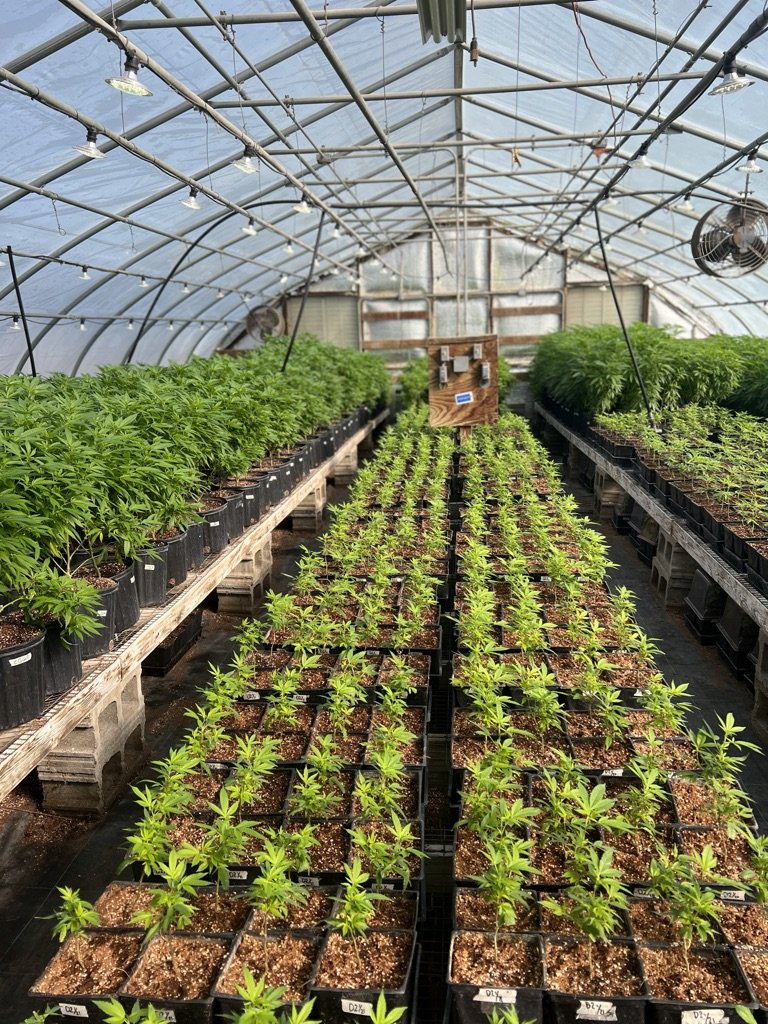
Flura bridges agricultural heritage with breakthrough technology to create a more sustainable future — one that begins with the seed. We develop advanced hemp genetics and innovative solutions that help nature thrive, restore soil health, and empower farmers.

What we do

Genetics, agronomy, and downstream supply — under one roof.

Flura is a vertically integrated hemp seed and commodities platform at the forefront of regenerative agriculture and industrial biomanufacturing.

Seed science

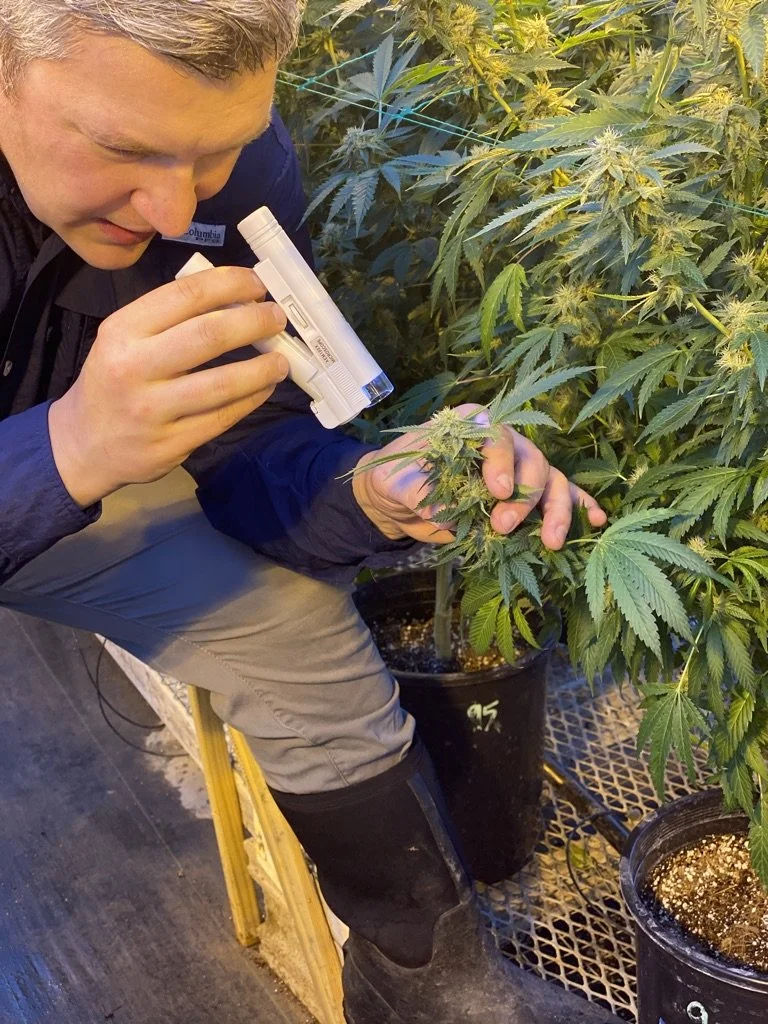
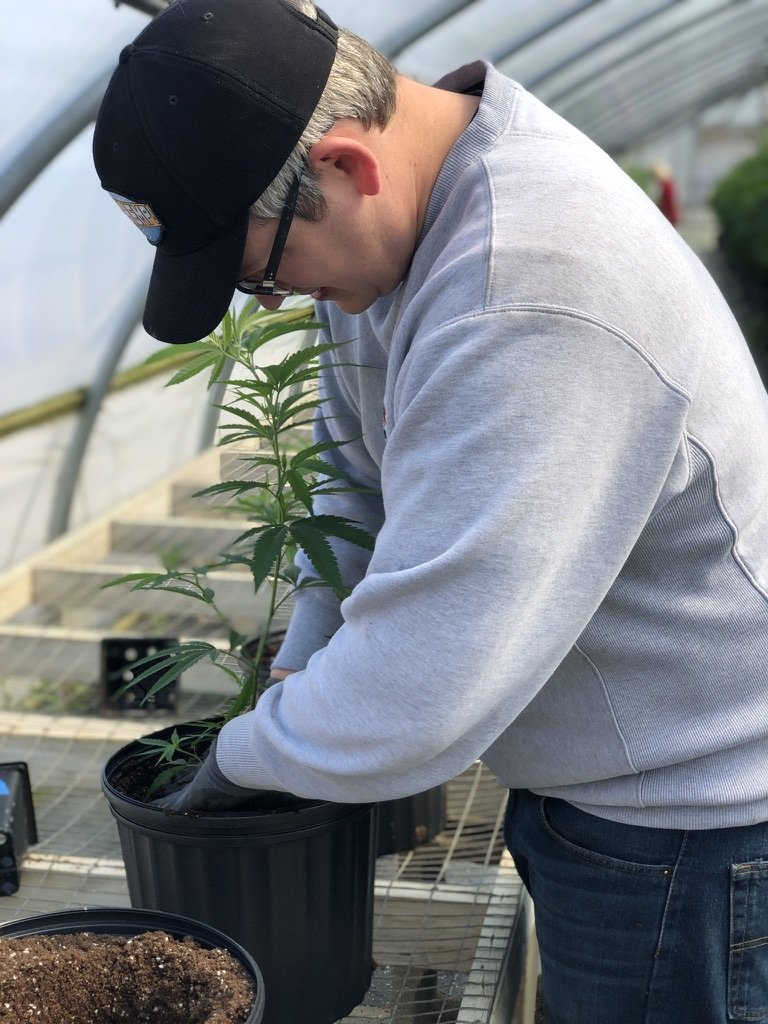
Climate-zone-matched genetics bred for Midwest performance — yield, fiber quality, and resilience as foundations for every downstream use.

Field research

Multi-year trials with UIUC and the Metropolitan Water Reclamation District testing Class A biosolids as a sustainable fertilizer substitute.

Downstream pipeline

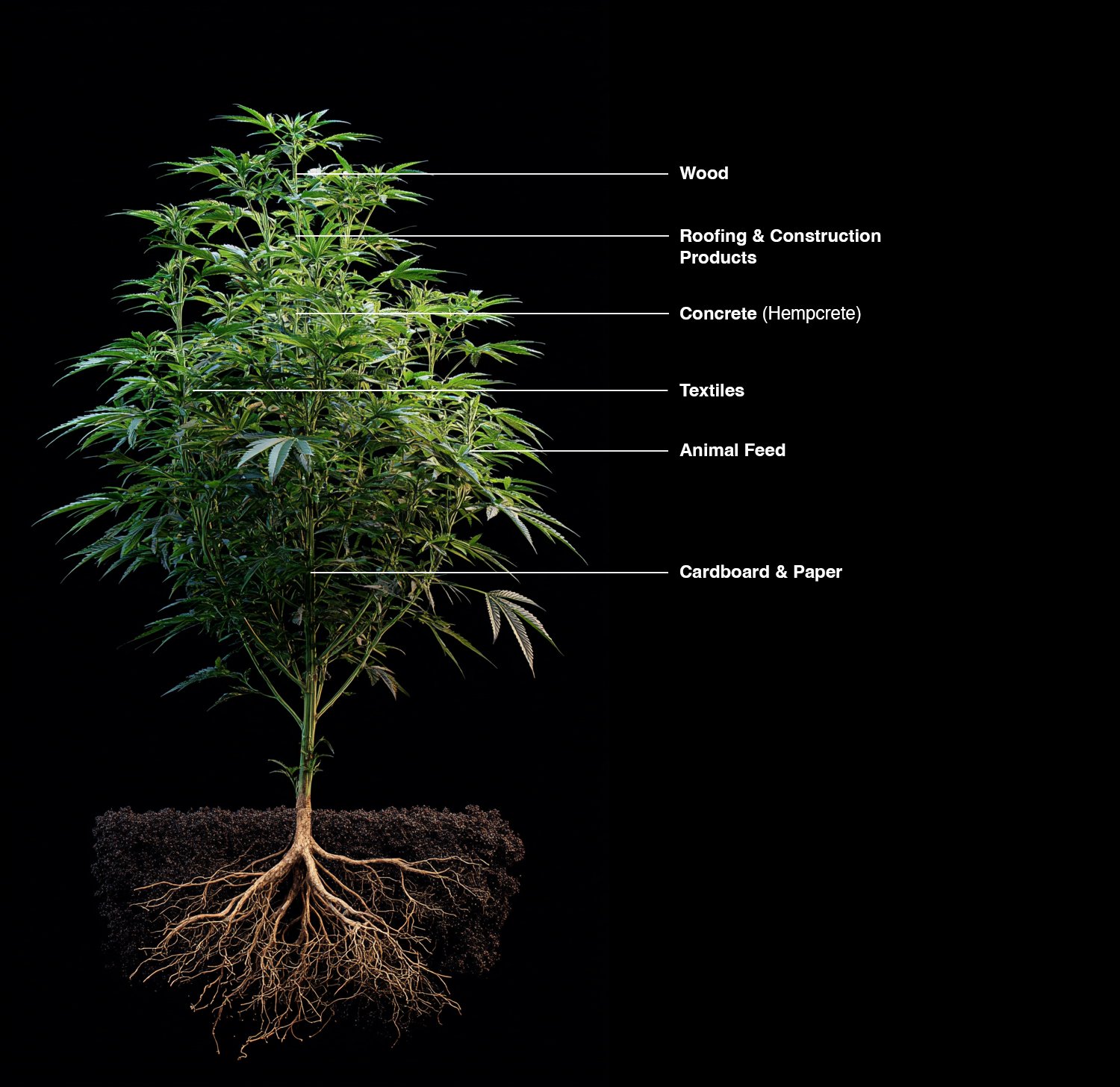
Eight commercial verticals — animal feed, hempcrete, hemp-wood, textiles, paper, coatings, roofing, and bioplastics — moving from LOI to contract.

Sustainable fertilizer breakthrough

The first U.S. hemp-biosolids trial.

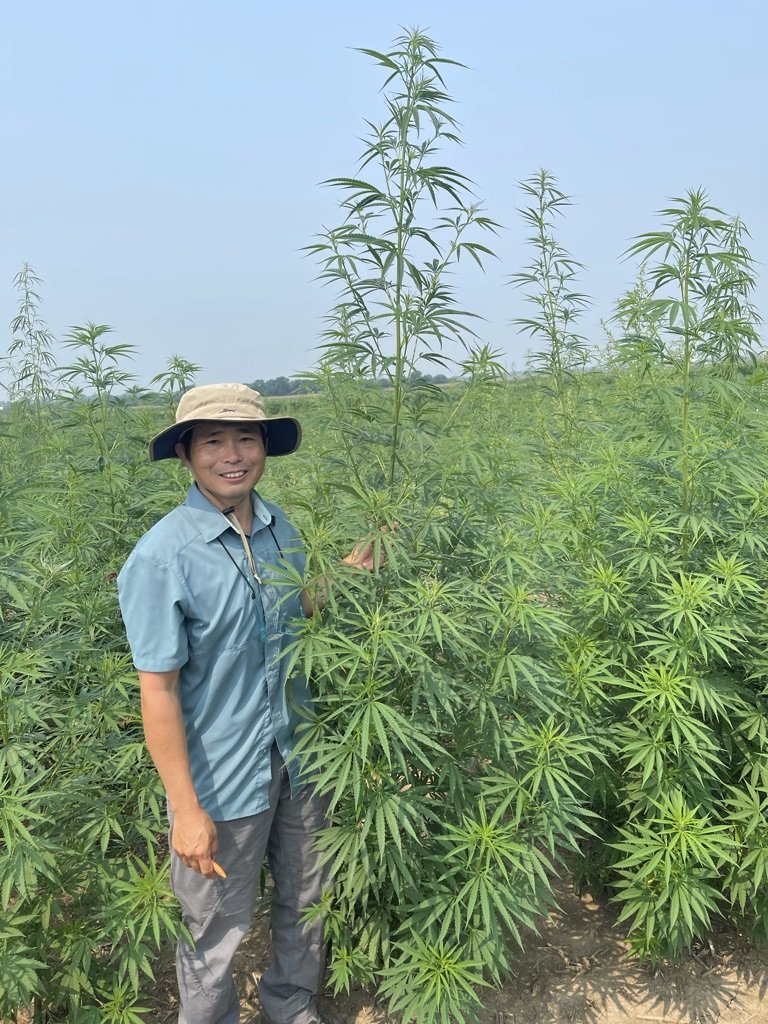
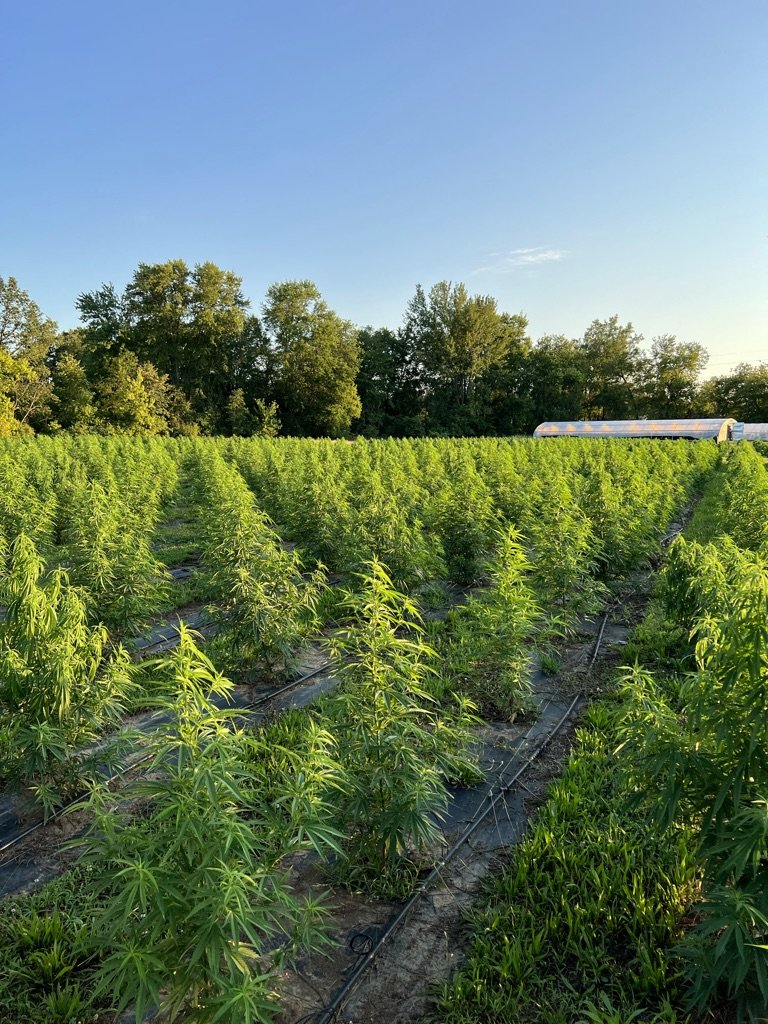
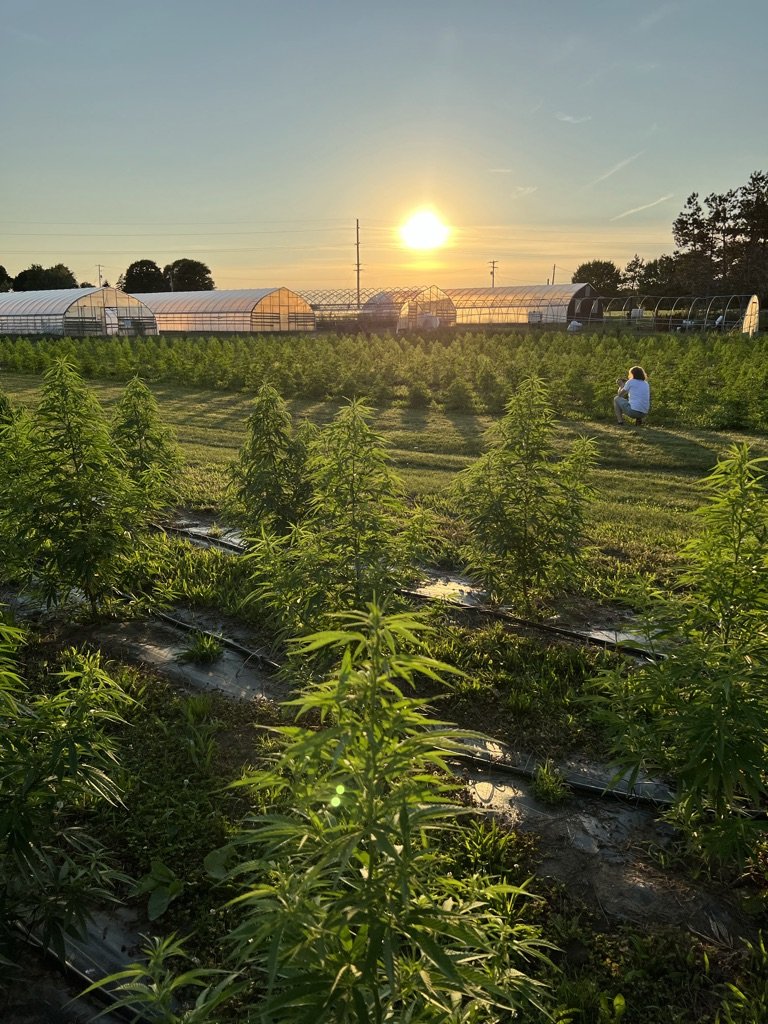
In collaboration with the University of Illinois Urbana-Champaign and the Metropolitan Water Reclamation District of Greater Chicago, Flura is conducting a first-of-its-kind field trial exploring Class A biosolids as a sustainable fertilizer for industrial hemp.

Early results show taller stalks and thicker stems on biosolid-amended plots versus the urea control — evidence that the loop between municipal organic matter and regenerative agriculture can be closed at scale.

Read the research
Hemp field trial
From plant to product

One crop. Many industries.

Hemp fiber can be recycled up to eight times — compared to roughly three for wood — giving the same material a far longer useful life across construction, textiles, paper, animal feed, coatings, and more.

Hemp plant parts Hemp field Hemp harvest Field research Hemp stand Hemp closeup

Currently raising capital from accredited investors.

Flura is raising its Class C (506(c)) round — the next step toward a 65 MW processing facility and 150,000 contracted acres by 2030.

View investor materials